

Soil Blocking for Peppers
Why I’m Using This Seed Starting Method

I first heard about soil blocking last spring but wasn’t sure what it was - or why so many growers preferred it over traditional seed trays.
This season, I’m putting it to the test.
My goal for market season is to be the pepper lady. I’m growing 16 varieties of peppers, and every single one will be started using soil blocks under grow lights.
If soil blocking performs the way experienced growers claim, it could completely change how I start pepper seedlings going forward.

What Is Soil Blocking?
Soil blocking is a seed starting method that replaces plastic pots and cell trays with compressed cubes of soil.
A soil blocker tool compresses moistened soil into firm blocks with a small divot on top for the seed. Blocks range in size from micro (¾”) to large 4” blocks.
Seedlings can:
Start in small blocks
Be nested into larger blocks as they grow
Or be transplanted directly into the garden or container
The key difference? The seedling remains in soil the entire time - no plastic cells, no root-bound plugs.



Benefits of Soil Blocking for Peppers
1. Reduced Plastic Use
No plastic pots or cell trays means:
Less waste
Less clutter
Fewer microplastics
You’ll still use trays for bottom watering, but overall plastic use is significantly reduced.
2. Air-Pruned Roots (No Root Binding)
Because soil blocks are exposed to air on all sides, roots naturally stop growing at the edges instead of circling.
This air pruning creates:
Dense, fibrous root systems
Vigorous early growth
Reduced transplant shock
For peppers - which dislike root disturbance - this can be especially beneficial.
3. Improved Drainage & Moisture Control
Soil blocking encourages even moisture distribution while allowing excess water to drain freely.
Benefits include:
Lower risk of damping off
Consistent hydration
Ideal conditions for bottom watering seedlings
4. Nutrient Control from Day One
Many commercial seed-starting mixes are sterile and low in nutrients.
With soil blocking, the seedling remains in the same soil until transplant, allowing you to begin with a nutrient-rich mix and eliminate later potting-up steps.
5. Space Efficiency
Soil blocks can fit more seedlings per tray footprint compared to bulky pots.
That said, spacing matters. If blocks are placed too tightly together, roots may grow between them. I’ll be watching this closely as my peppers develop.

Downsides of Soil Blocking
It’s Slower
A standard 2” soil blocker produces four blocks at a time. For large-scale growers starting hundreds of seedlings, this may not be efficient.
It’s Messy
You will get muddy.
Tip: Rinse your tools between each round of blocks.
There’s a Learning Curve
The soil consistency must be just right:
Too wet → blocks slump
Too dry → blocks crumble
By the end of the first batch, I’d found the correct moisture level - but it wasn’t a quick process.
Blocks Can Dry Out Faster
Because they’re exposed on all sides, soil blocks can dry out more quickly in high airflow environments.
Consistent monitoring is important.
Upfront Tool Cost
Quality soil blocking tools can be expensive initially, especially larger sizes. However, they may save money long term compared to repeatedly purchasing plastic trays and pots.

My Soil Block Mix
There are many soil blocking recipes available, but I used our farm’s standard mix:
50% compost
50% topsoil
Vermiculite
Perlite
I screened the mix to remove large particles and added water until it reached a thick brownie-batter consistency.
This step takes patience. Adjust slowly until the soil holds together firmly when compressed.



How I Form & Seed Soil Blocks
Press the soil blocker firmly into the mix.
Flip it over and compress to eliminate air pockets.
Set it on a tray and release the spring handle.
Place one seed in each divot.
Lightly cover and gently tamp.
Mist the surface - avoid heavy top watering, which can damage the blocks.


Tip: You will want to have a system for tracking which seeds are planted. I labeled my trays by number, then made a paper map of the varieties in each tray.



Watering Soil Blocks
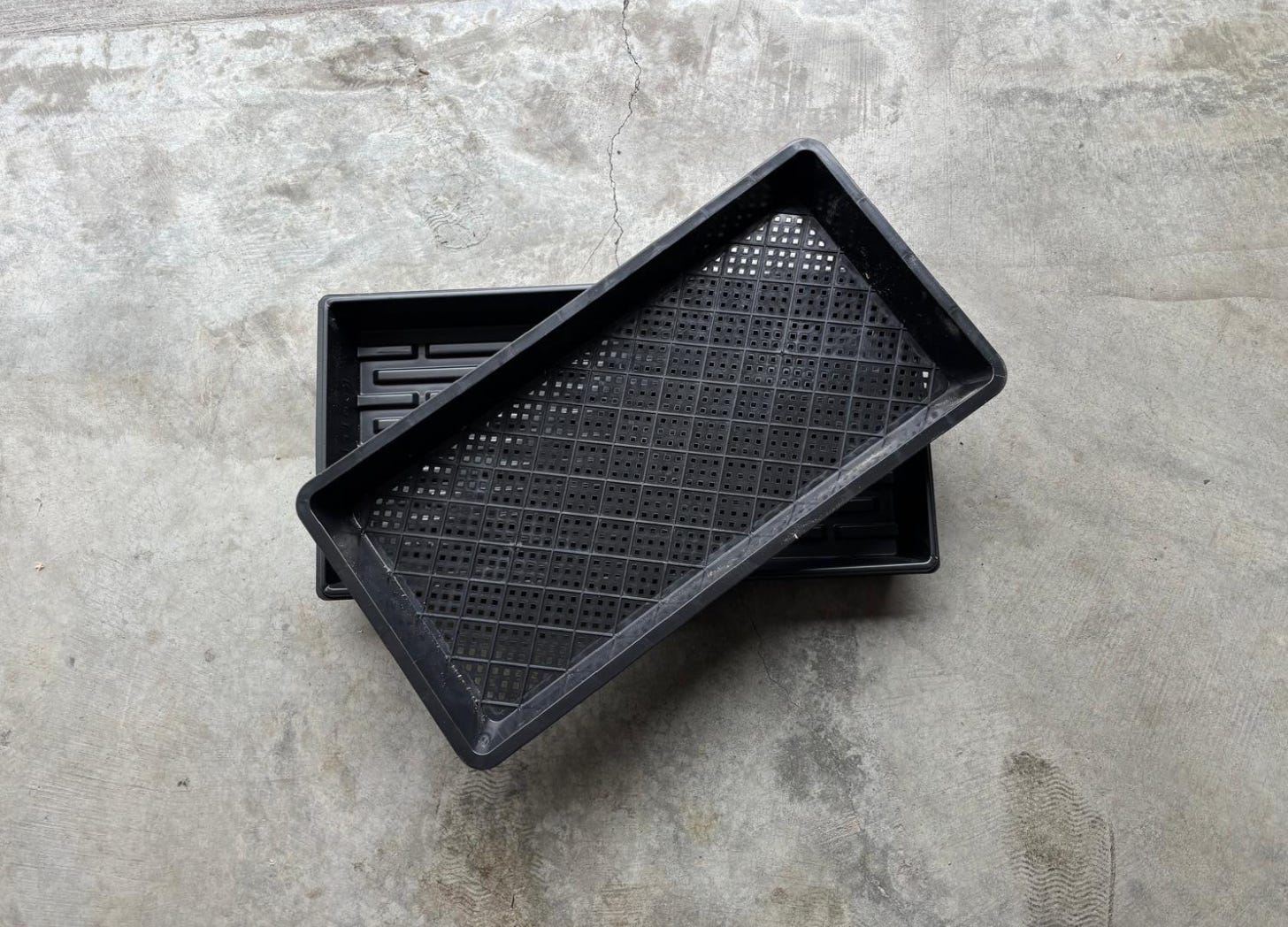
I place the blocks on a mesh tray inside a solid tray and water from the bottom.
Add water to the lower tray
Let blocks soak for 10–15 minutes
Drain completely
Allow the soil to dry slightly between waterings.
Tip: Soil blocks are heavy — use sturdy trays.

My Plan for Growing Peppers in Soil Blocks
Once the seedlings fill their 2” blocks, I’ll nest them into 4” blocks.
When those are fully rooted, they’ll be transplanted directly into 18” outdoor containers for the growing season.
No root-bound plugs.
No plastic pots.
Minimal transplant shock.
My pepper seeds haven’t germinated yet, but I’ll share updates as they grow.
If soil blocking delivers stronger root systems and healthier pepper plants, this may become my standard seed starting method.
And if it doesn’t? I’ll share that too.

